
The Nature of Luck in Gambling
When discussing gambling, the concept of luck often comes to the forefront. Many players believe that their fortunes can change in an instant due to chance events. Luck, in the gambling context, typically refers to the unpredictable factors that can lead to either winning or losing, especially when enjoying the best online pokies nz that add to the excitement. Whether it’s rolling dice, drawing cards, or spinning a wheel, the outcome often feels random. This inherent uncertainty is part of what makes gambling both thrilling and daunting, drawing players into its unpredictable embrace.
However, luck is not something that can be easily quantified. While some players attribute their wins to a lucky streak, others might consider their losses as the unfortunate outcome of bad luck. This duality creates an interesting dynamic in understanding how luck can affect a player’s mindset and strategies. Many gamblers often rely on superstitions or rituals they believe will increase their chances, highlighting how deeply ingrained the notion of luck is in gambling culture, where the belief in luck can sometimes overshadow the importance of skill.
Though luck plays a significant role, it’s essential to recognize that it is only one component of gambling. Skill, strategy, and even psychological factors can influence a player’s performance. This interplay between luck and skill forms the backbone of many gambling activities, leading to discussions about whether success is a product of pure chance or a blend of various elements. Understanding this relationship is vital for players aiming to navigate the world of gambling effectively and responsibly.
The Role of Skill and Strategy
In contrast to luck, skill and strategy are critical components that can influence outcomes in gambling. While games of chance, like slots, are primarily determined by luck, games that involve skill, like poker or blackjack, require players to employ tactics and decision-making processes. Successful players analyze probabilities, manage their bankrolls, and utilize psychological strategies to outsmart their opponents. This raises the question: can skill outweigh luck in determining gambling success?
For instance, in poker, a skilled player can significantly increase their chances of winning through tactics like bluffing, reading opponents, and playing tight-aggressive strategies. While luck may dictate the cards dealt on any given hand, a skilled player can leverage their knowledge to make the most of those cards. This illustrates that while luck may provide opportunities, skill often differentiates successful players from those who rely solely on chance, emphasizing the importance of developing expertise in the game.

Moreover, understanding the rules and nuances of each game can also improve a player’s chances. A seasoned blackjack player knows when to hit, stand, or double down based on the dealer’s visible card, effectively tilting odds in their favor. Thus, while luck is undoubtedly a factor in gambling, it is the combination of skill and strategic thinking that truly shapes long-term success. Players who invest time in learning the intricacies of their chosen games often find themselves with a greater edge over the competition.
The Psychological Aspect of Gambling
The impact of luck extends beyond mere outcomes; it also influences players psychologically. Winning can create a psychological boost, leading players to believe they are on a lucky streak, which can affect their betting behavior. Conversely, a series of losses might lead to despair, driving some players to chase their losses in a desperate attempt to regain their luck. This psychological rollercoaster can significantly impact decision-making, often leading to irrational choices that may compound their losses.
Additionally, cognitive biases play a significant role in how players perceive luck. The ‘gambler’s fallacy’ is a common belief where players think that past outcomes influence future results. For instance, if a player sees a particular number come up several times, they might believe it is ‘due’ to come up again, despite the outcomes being independent and random. Such misconceptions can lead players astray, affecting their choices and overall gambling experience, which can be detrimental in the long run.
Moreover, managing emotions is crucial for successful gambling. Staying calm and collected during wins and losses helps players make rational decisions rather than impulsive ones driven by heightened emotions. Understanding that luck can vary significantly, players who focus on maintaining a balanced mindset are better positioned to navigate the unpredictable nature of gambling without falling prey to psychological traps. Developing emotional resilience can be as important as honing technical skills in achieving success.
The Myths Surrounding Luck in Gambling
Numerous myths and misconceptions surround luck in gambling, often leading players to hold onto false beliefs that impact their gaming strategies. One prevalent myth is that certain environments or atmospheres can enhance luck. Gamblers may flock to specific casinos or tables that they perceive as luckier, believing that their chances of winning improve in these settings. However, this notion lacks scientific backing and stems largely from anecdotal experiences, highlighting how deeply rooted these beliefs are in gambling culture.
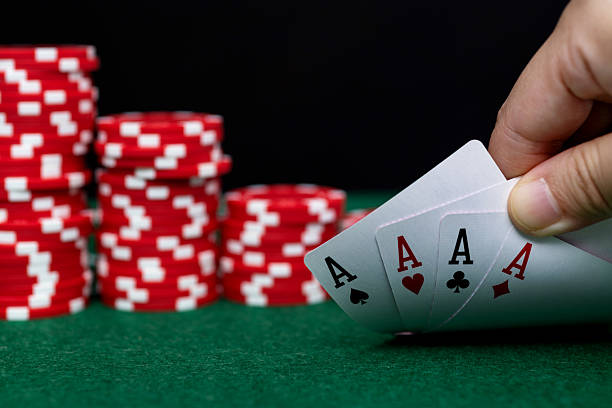
Another common myth is that certain rituals or superstitions can influence luck. Many players engage in specific behaviors, such as wearing lucky charms or performing certain actions before placing bets, in hopes of invoking good fortune. While these rituals can provide players with a sense of control and comfort, they do not alter the random nature of gambling outcomes. Understanding the difference between superstition and reality is essential for maintaining a healthier approach to gaming and developing a strategy based on sound principles.
These myths can lead to poor decision-making and unrealistic expectations. It’s crucial for players to base their strategies on knowledge and skill rather than relying solely on the whims of luck. By adopting a more rational approach to gambling, players can mitigate the psychological pitfalls associated with false beliefs and focus on developing strategies that genuinely enhance their chances of success. This shift in mindset can empower players to become more informed and disciplined gamblers.
Conclusion: Understanding Luck and Its Limits
While luck can certainly influence the outcomes in gambling, it is essential to understand its limitations. Many players seek to improve their odds through skill, strategy, and informed decisions rather than relying purely on luck. Recognizing the role of luck in gambling should prompt players to approach their gaming experience with a balanced mindset, incorporating both chance and skill into their strategies. This understanding can lead to a more fulfilling gambling experience.
Furthermore, the psychological aspects of gambling reveal that maintaining emotional control and understanding one’s cognitive biases are critical for long-term success. By learning to navigate both the luck and skill elements of gambling, players can enhance their enjoyment and potentially their profitability. Embracing a holistic view of gambling can enable players to make better choices and enjoy the thrill of the game without falling victim to its inherent risks.
Ultimately, responsible gambling is about recognizing the blend of luck and skill while understanding the unpredictability of chance. For players willing to take a more strategic approach while acknowledging the role of luck, the gambling experience can be both thrilling and rewarding, making every session an opportunity for fun and discovery. This comprehensive understanding can help players engage in gambling as an entertaining activity rather than a means to an uncertain end.